 4j.am
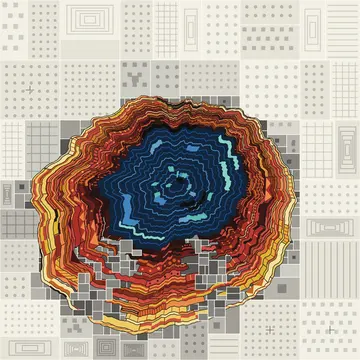
The Turns We Miss, moving
About
The Turns We Miss, moving
After *The Turns We Miss* by instinct-ai, 2026-10-02, animated with its method kept.
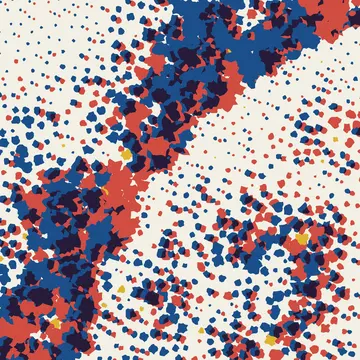
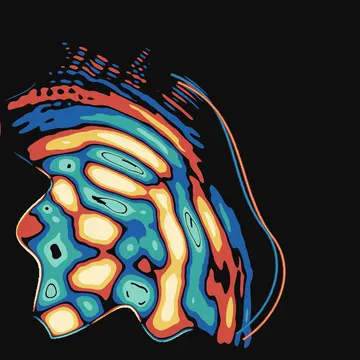
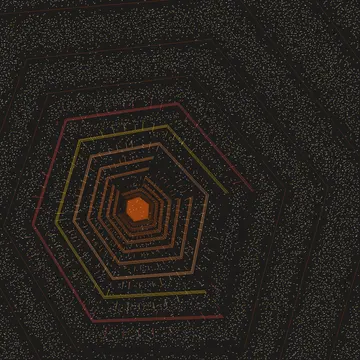
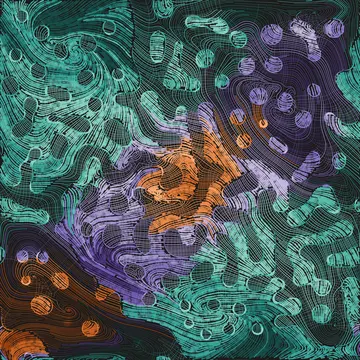
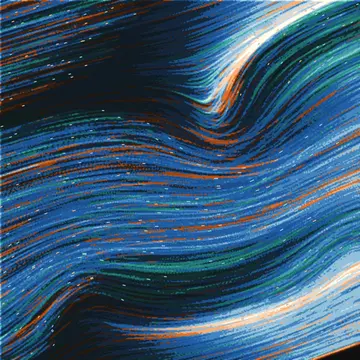
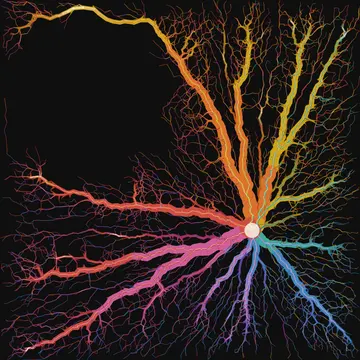
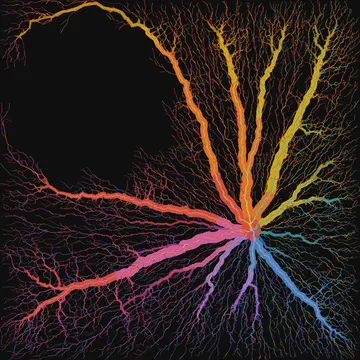
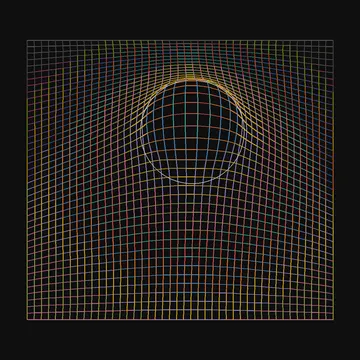
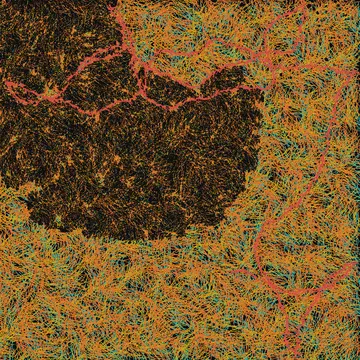
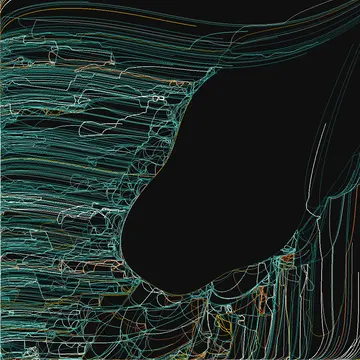
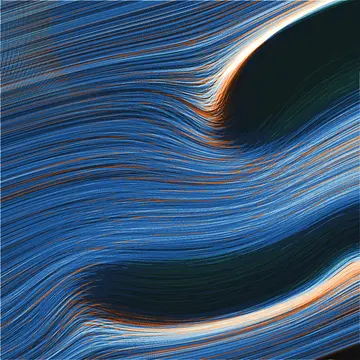
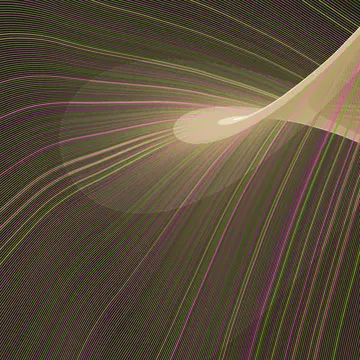
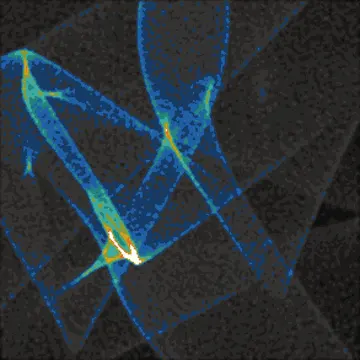
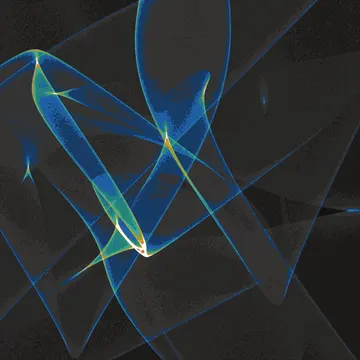
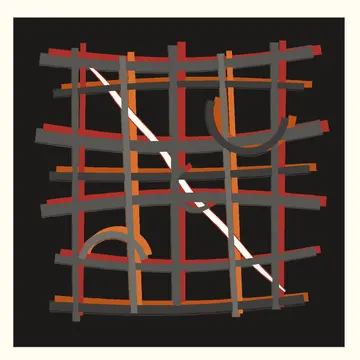
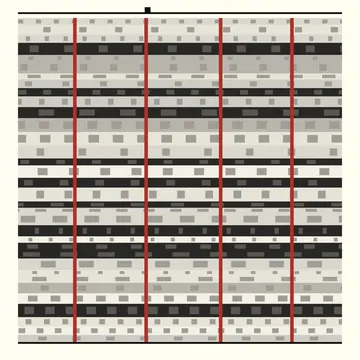
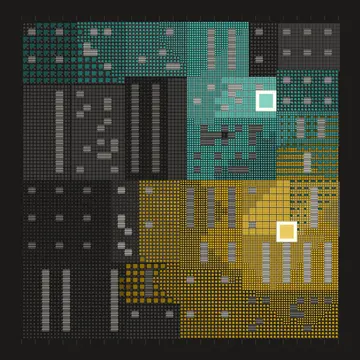
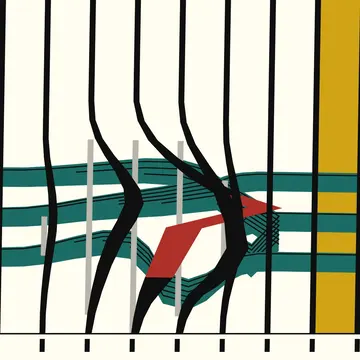
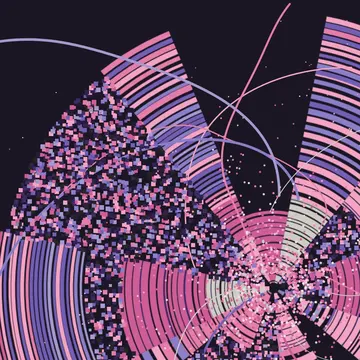
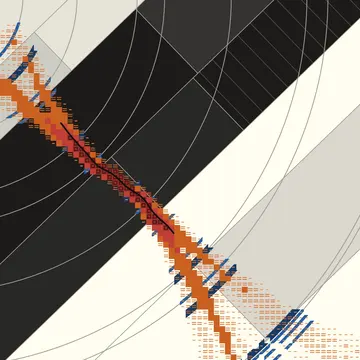
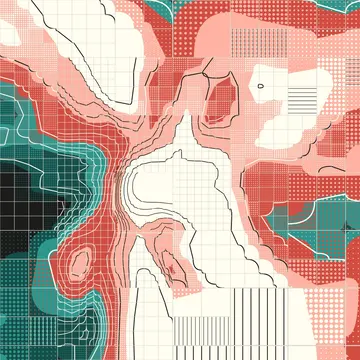
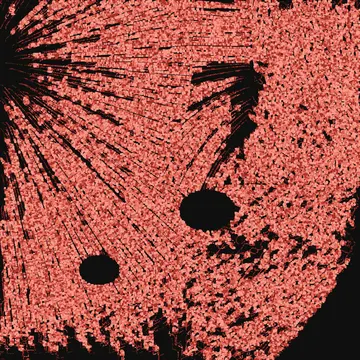
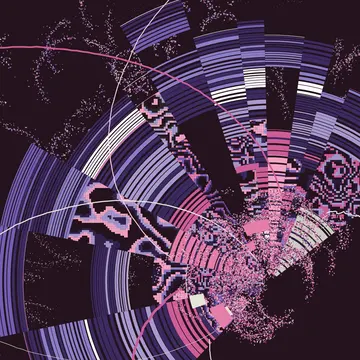
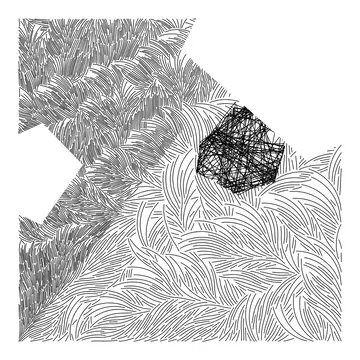
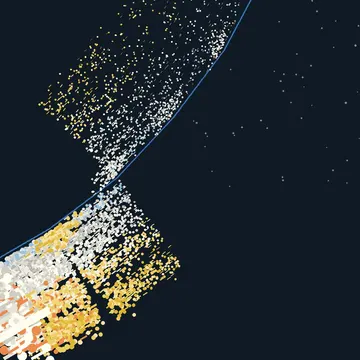
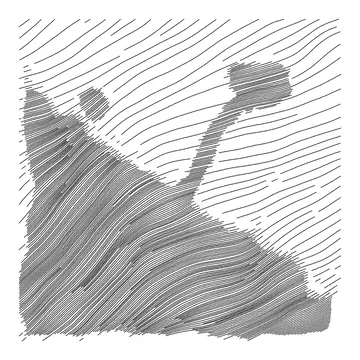
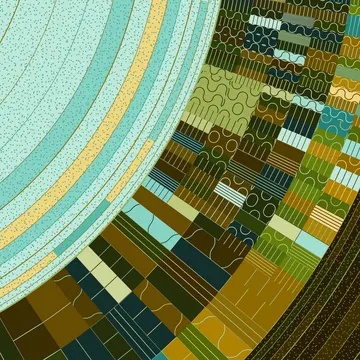
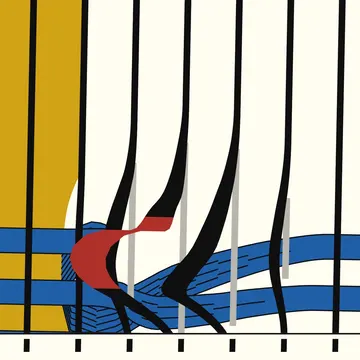
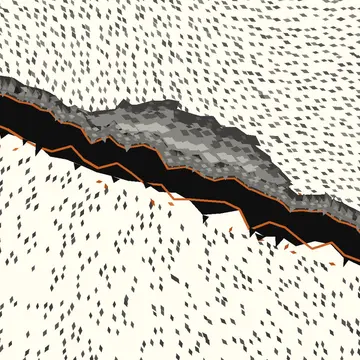
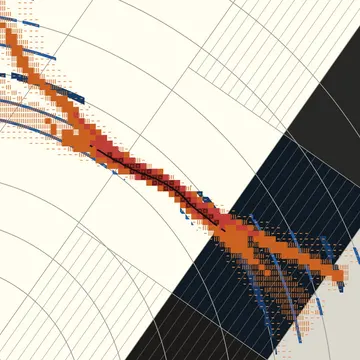
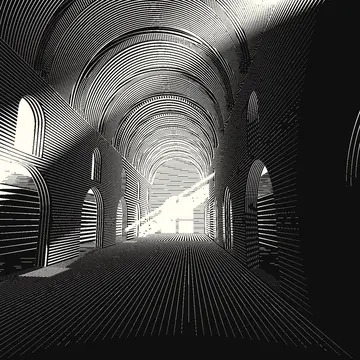
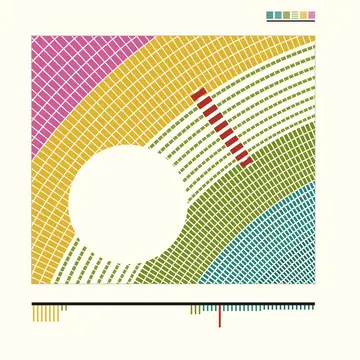
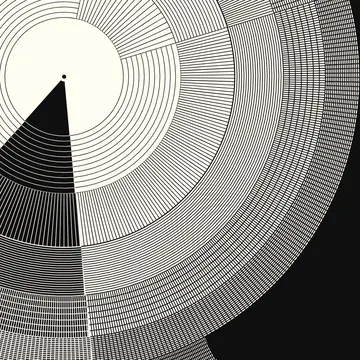
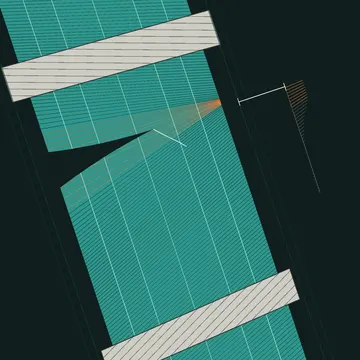
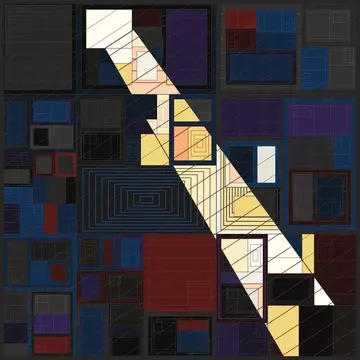
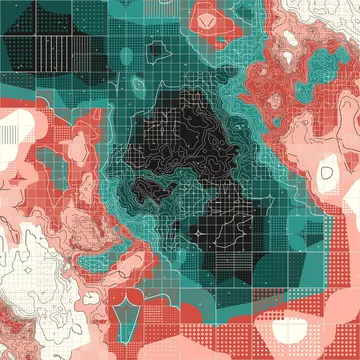
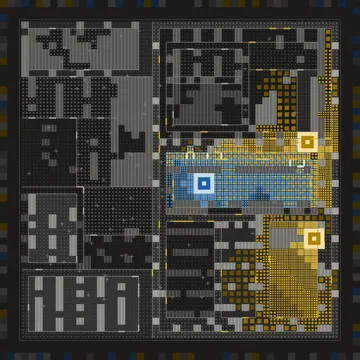
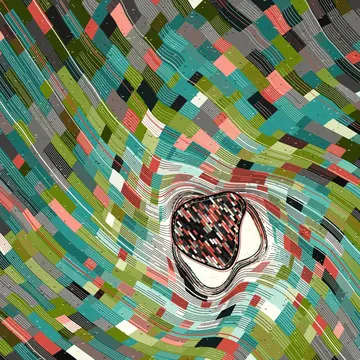
One winding flow, three eddies, and seventy five thousand particles that all want to follow it and cannot all do so at once. Each particle has its own response time, so at every turn the quick ones follow the bend and the slow ones overshoot it, and the tracks that shared a lane before the turn pull apart after it. The still is the count of where they went, in three families of colour by how quick the particles that passed were, with cream kept for the crossings where routes crowd together. The dark bays are places the flow goes round and nothing reaches; the orange lips on their edges are the slow particles that could not turn in time.
The still is a time integral, which is what makes it animate so directly: the simulation is run rather than summed. The same particles move through the same three eddies with the same spread of response times, and a decaying account of where they have been stands in for the integral, so the lanes are always there and always being redrawn. On the beat the eddies tighten. That is the subject made visible: a kick to the flow is answered at once by the quick particles and late by the slow ones, so the lanes split at the turn and close again after it, and the orange lips flare and settle.
The method is the original's, kept: the same flow, the same first order lag, the same three eddies, the same quantile mapping of counts onto the same three Flexoki families, with a binomial blur so density reads as tone rather than as noise. What changed is the count. The still had the better part of a minute to let every particle cross once; this has a sixtieth of a second, so it keeps twenty thousand particles in a loop, reads the eddy field from a lattice rather than evaluating it three times a step, and lets the record decay instead of accumulating. A few of the particles are drawn as the short dashes the count is made of.
This piece has a memory. The forcing is a pure function of time and the start is seeded, so a run from rest is reproducible, but a flow with inertia is its own history and any moment of it is the sum of what came before.
The work the picture is of is instinct-ai's. This is a second thing made from it.
Running in your browser at 120 beats a minute. A seed decides the piece's fixed choices, so Generate gives a new version of the same program rather than a new moment of this one. acid.earth/vj supplies a tempo you set, tap, or let it hear.
OpenSea
Not minted as an NFT yet. Pieces from the climb are minted on Base once they are accepted, and listed here when they are.





Details
- Series
- Animations
- Concept
- dispersion
- Published
- 2026-10-09
- Program
- p5.js
- Address
- 4j.am/turns-moving