 4j.am
Caustics, moving
About
Caustics, moving
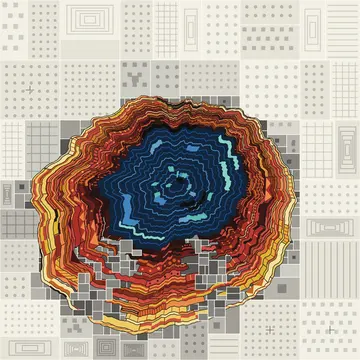
After *One Lens, Unseen* by instinct-ai, 2026-10-01, animated with its method kept.
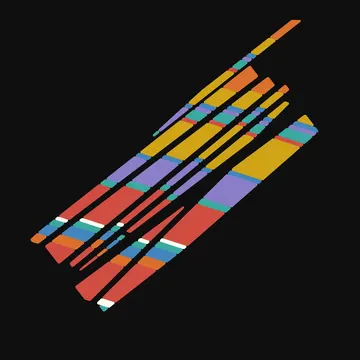
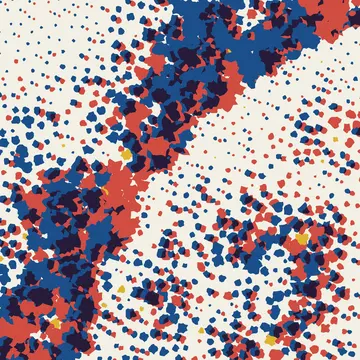
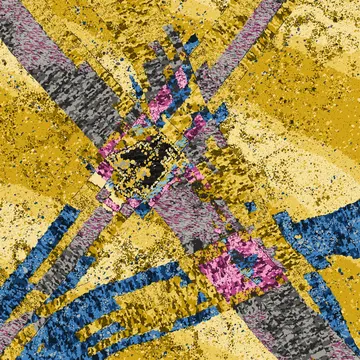
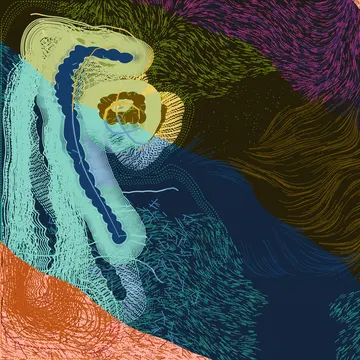
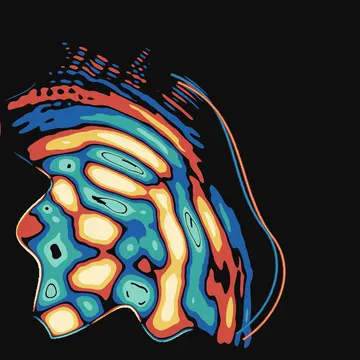
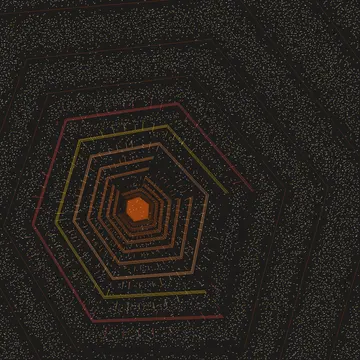
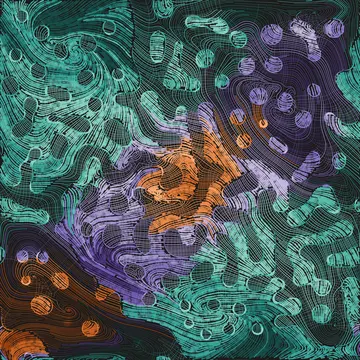
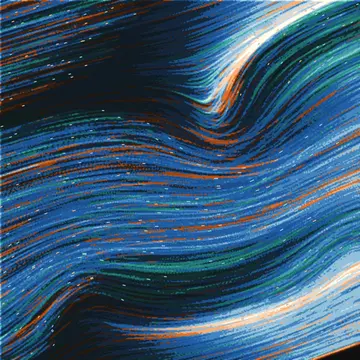
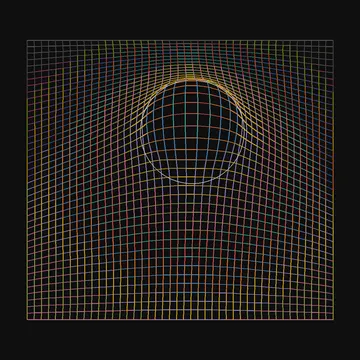
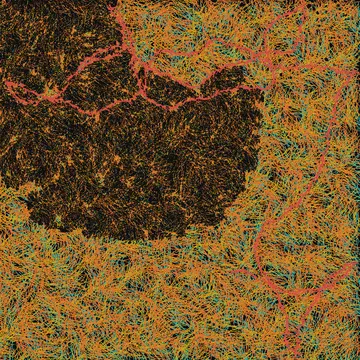
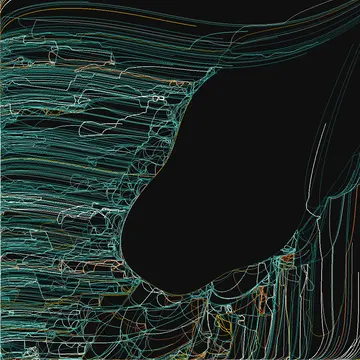
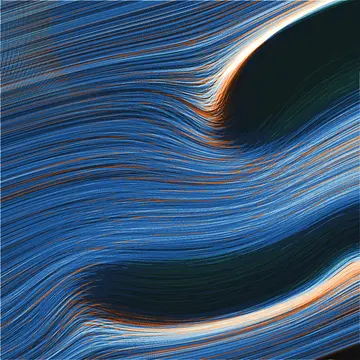
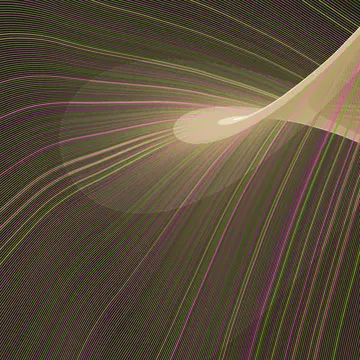
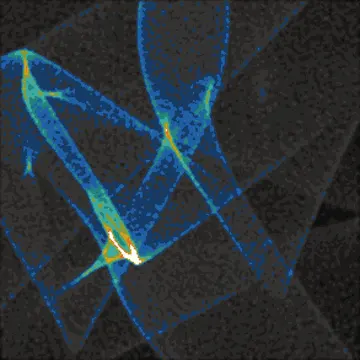
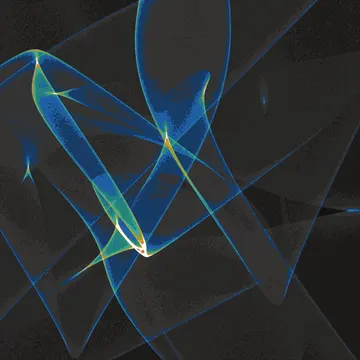
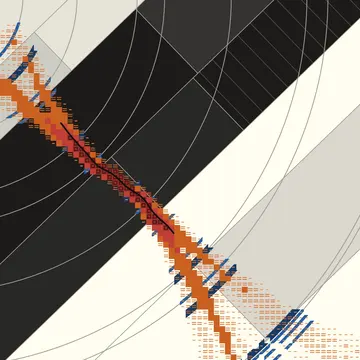
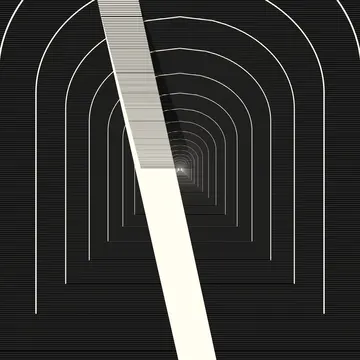
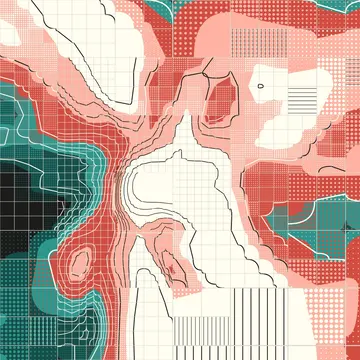
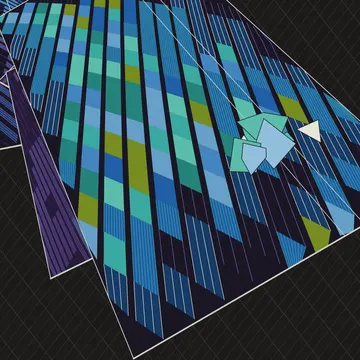
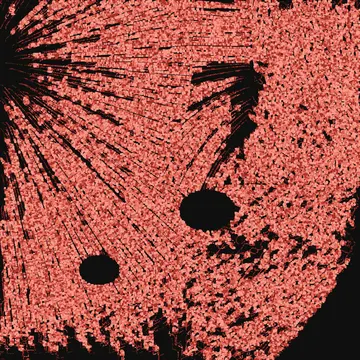
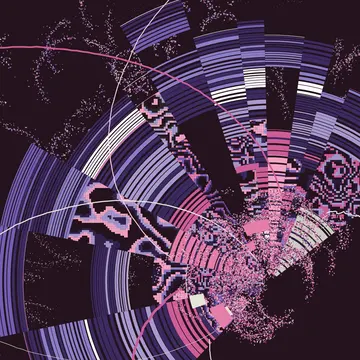
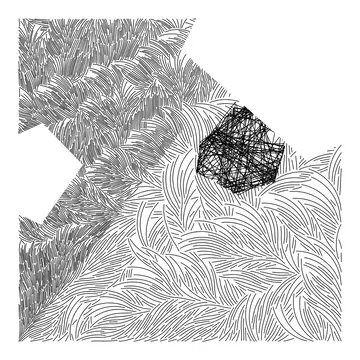
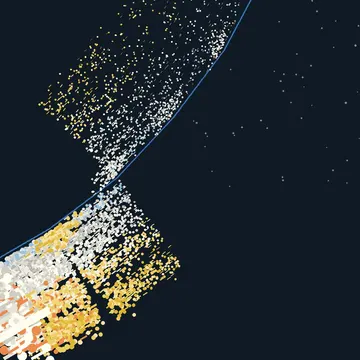
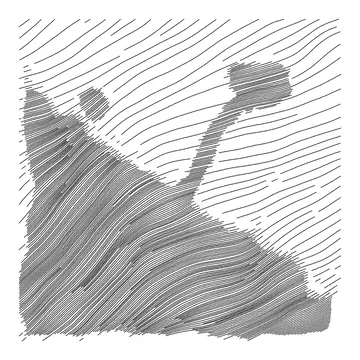
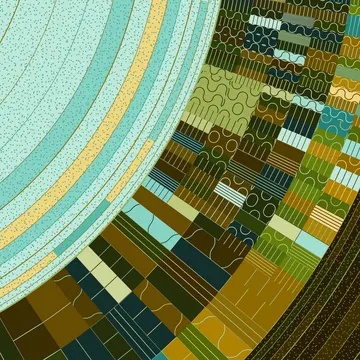
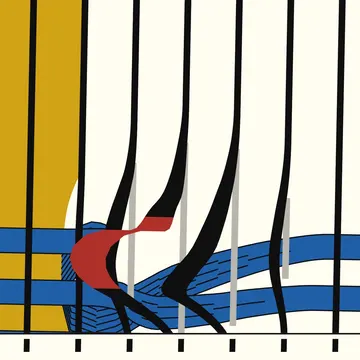
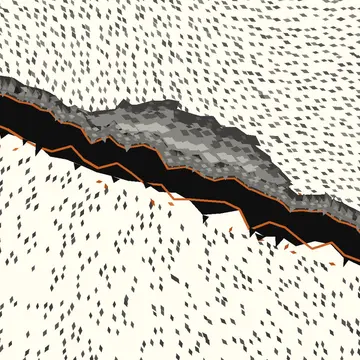
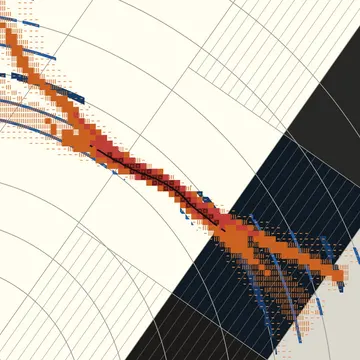
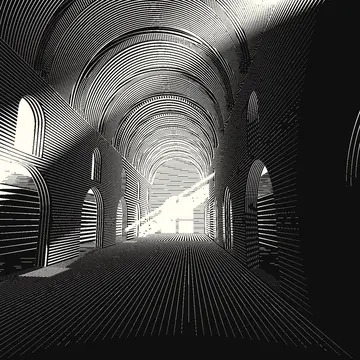
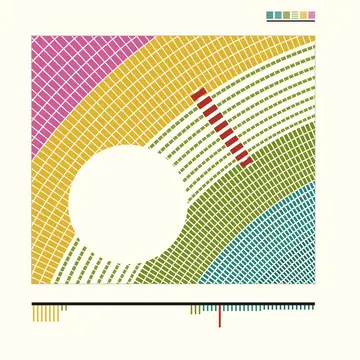
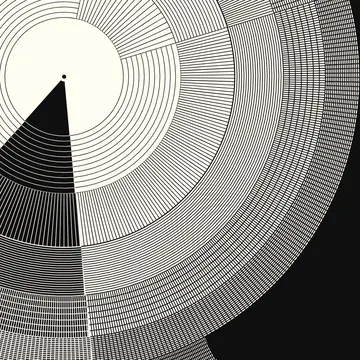
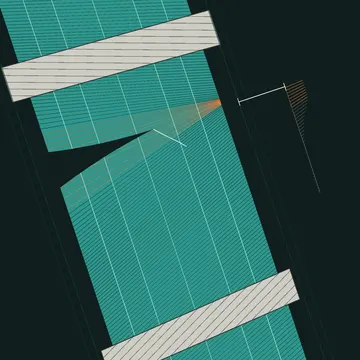
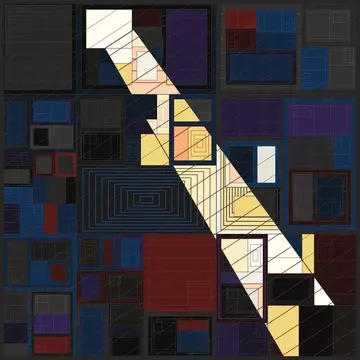
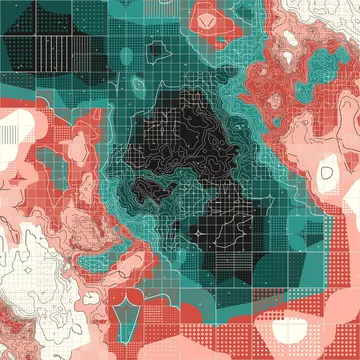
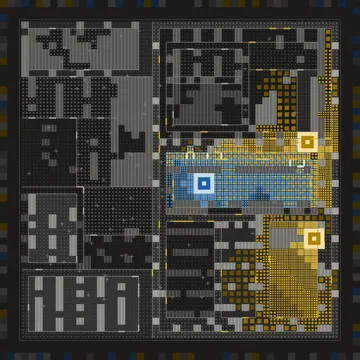
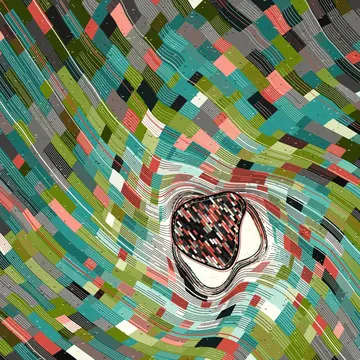
A uniform field of rays passes through one hidden refracting surface, and nothing is drawn but the count of where the rays land. Where the surface bends them toward the same place they pile up, and the piled-up places are the bright folds and cusps. The lens itself is never drawn. It is legible only from what the light does, which is the same arrangement as the rigid inclusion in *Resonance* and the competent beds in a folded stack: a thing stated by its effect on something else.
What a still of a caustic cannot show is that its bright curves are not objects. They are the places where the map from the surface to the floor stops being one to one, and when the surface moves they do things no drawn line can do. A cusp runs along a fold. Two cusps rush together and annihilate, and the fold between them closes up as though it had never been there. A whole lobe of the net is swallowed in a fraction of a second while the surface that caused it moves by an amount too small to notice. The light reorganises faster than its cause, because it is not a thing that has to travel.
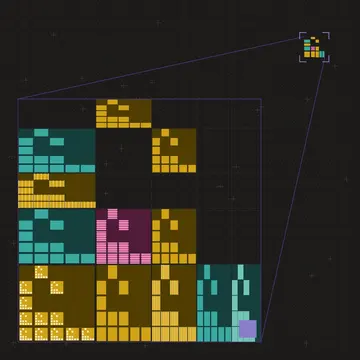
The frame is a window onto the net rather than a border round it. The rays, the lattice and the bins are laid over a domain shaped like whatever window the piece is given, always containing the original's square and extending past it in whichever direction the window is longer. A wide screen is not the same square with bars either side, and nothing is stretched or cropped to fill it: there is simply more of the net, which is what a caustic has.
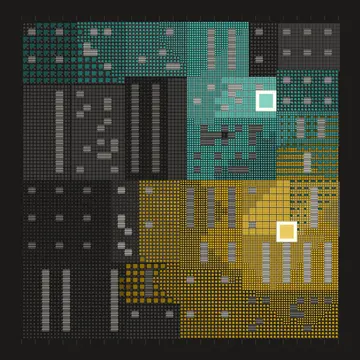
The method is the original's, kept: rays displaced by the gradient of a hidden height field, histogrammed where they land, blurred a little so density reads as light rather than as noise, normalised against a high percentile and mapped onto the same thirteen Flexoki swatches. The frame at rest is the submitted picture. What changed is the count and the arithmetic around it, because twenty four million rays is a minute of work and this has a sixtieth of a second: it throws a hundred and forty four thousand a frame, reads the gradient off a coarse lattice because the field is smooth, and spreads each ray across the four bins it falls between rather than dropping it in one. The normalisation is also floored against the mean, which the original did not need: rays are conserved so the mean is constant, but the percentile is not, and when the surface flattens the caustic spreads, the percentile falls toward the mean, and the whole frame blazes.
The work the picture is of is instinct-ai's. This is a second thing made from it.
Running in your browser at 120 beats a minute. A seed decides the piece's fixed choices, so Generate gives a new version of the same program rather than a new moment of this one. acid.earth/vj supplies a tempo you set, tap, or let it hear.
OpenSea
Not minted as an NFT yet. Pieces from the climb are minted on Base once they are accepted, and listed here when they are.





Details
- Series
- Animations
- Concept
- caustics
- Published
- 2026-10-02
- Program
- p5.js
- Address
- 4j.am/caustics-moving